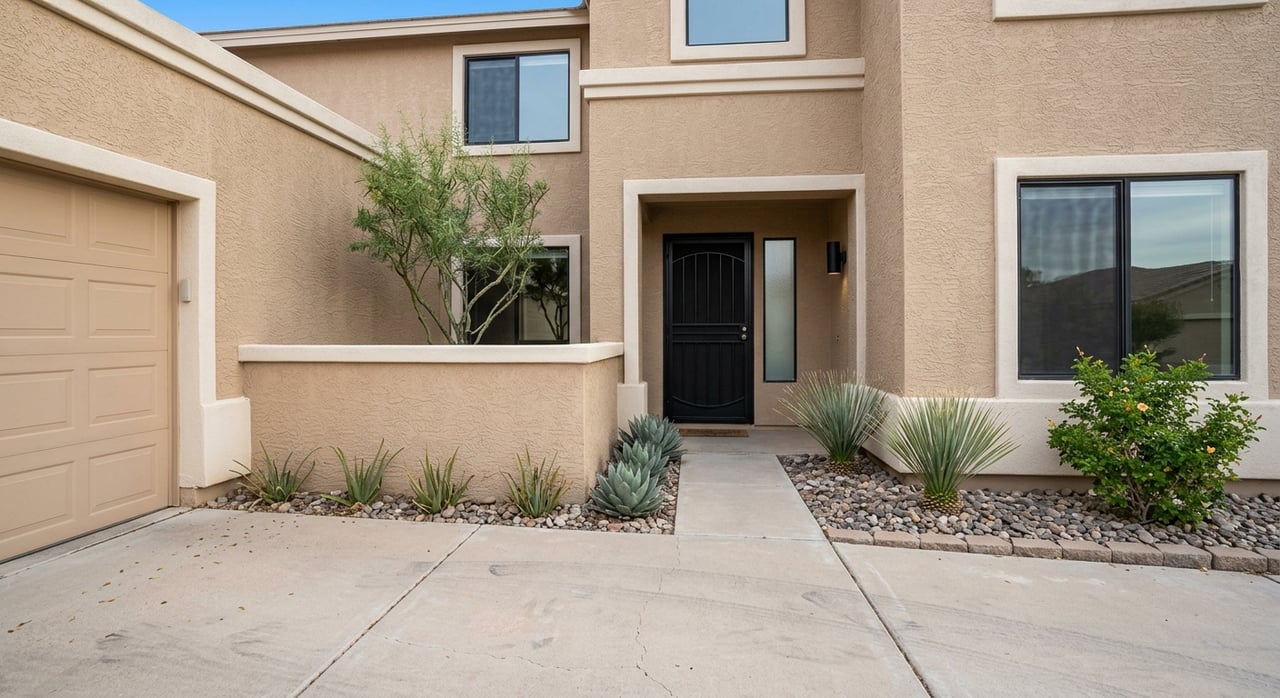
Moving to Phoenix from out of state can feel simple on paper and overwhelming in real life. You are trying to learn a huge metro, compare very different areas, and make confident decisions without seeing every home in person. The good news is that with the right plan, you can narrow your options, avoid wasted trips, and stay in control of the process. Let’s dive in.
Phoenix is not one market
If you are relocating to Phoenix, the first thing to know is that you are really choosing from a large regional patchwork, not one single housing market. Valley Metro serves a broad system across member cities including Phoenix, Tempe, Mesa, Scottsdale, Chandler, Gilbert, and Glendale, which is a helpful reminder that commute patterns and day-to-day routines can vary a lot from one area to another.
That matters because one headline price for “Phoenix” does not tell you enough. Recent data snapshots show different numbers depending on the source and area measured. Zillow reported an average Phoenix home value of $411,563 and said homes were going pending in about 25 days in late May 2026, while ARMLS reported a regional median sales price of $455,000, median days on market of 55, and 3.34 months of supply in March 2026.
For you as a remote buyer, the practical takeaway is simple. You should not shop the Valley as if every area behaves the same. It is active enough that preparation matters, but varied enough that location, housing style, and lifestyle fit should guide your search from the start.
Start with lifestyle, not listings
When you house hunt from afar, it is easy to scroll by price and square footage alone. That usually leads to a messy shortlist full of homes in places with very different rhythms, housing stock, and travel patterns.
A better first step is to decide how you want to live. Think about your likely commute, whether you want a more urban or suburban setting, how much driving you want to do, and whether you prefer an established area or something that feels newer or more mixed-use.
Established central Phoenix examples
Arcadia, within the Camelback East area, is a useful example of an established part of the market. City planning documents describe it as a mature neighborhood with older housing stock, landscape character, and a consistent home pattern worth preserving.
If that sounds appealing, you may care as much about lot character, mature landscaping, and central location as you do about the home itself. That is very different from shopping newer-feeling areas where floor plan and subdivision features may lead the conversation.
Scottsdale has distinct submarkets
Scottsdale is best understood as several different markets grouped under one city name. Its planning framework includes areas such as Southern Scottsdale, Greater Airpark, and Old Town, each with a distinct character.
Southern Scottsdale is noted in city planning materials for having housing stock and commercial facilities that were already 30 or more years old at the time of plan adoption. Old Town has design guidelines meant to keep new development aligned with established downtown character. Greater Airpark stands apart as an airport-adjacent area with a more mixed-use, business-connected feel.
If you are relocating for work or a certain lifestyle, these differences matter. A home in one part of Scottsdale may deliver a very different experience from a home in another, even if both share the same city address.
Mesa and Tempe offer different rhythms
Mesa is another strong example of why remote buyers need to think beyond city names. The city covers 138 square miles and includes a range of environments, from Downtown Mesa to transit-oriented corridors and more suburban areas.
Official planning materials point to destinations such as Downtown Mesa, the Asian District, and Mesa Riverview, showing how varied the city can be. Mesa can work for buyers who want urban-minded access in some pockets and a more suburban feel in others.
Tempe is also worth a close look if transit access is high on your list. Valley Metro rail and streetcar service are concentrated there, which can be helpful if you want more options for getting around without relying on a car for every trip.
Build your remote search the smart way
Once you have a few target areas, your goal is to narrow your search before you book travel. In a market this large, the biggest mistake is flying in too early with too many possibilities.
A smarter approach is to create a short, focused search based on your budget, preferred home style, commute goals, and must-have location features. Then you can use remote tours, disclosures, map review, and local guidance to decide which homes are truly worth an in-person visit.
What to verify before you get serious
Arizona’s buyer guidance gives remote buyers a clear checklist. Before signing, you should view the property location, review seller disclosures carefully, verify nearby zoning and land uses, check school district details, and read CC&Rs if the home is in an HOA.
If you are considering new construction in a subdivision, the Arizona Public Report must be provided before contract signing. That report can include flood and drainage disclosures, adjacent land uses, utility providers, common facilities, taxes and assessments, and HOA details.
For resale homes, Arizona guidance also recommends a termite inspection and a professional home inspection. Those items are especially important when you are buying from a distance because they help replace assumptions with documented information.
Use travel for decisions, not browsing
If you are moving within the next year, it helps to think in stages. The goal is not to visit Phoenix over and over. The goal is to make each trip do one clear job.
Trip one: scout neighborhoods
Your first trip should focus on the areas, not the houses. Drive the routes you expect to use, compare different parts of Phoenix and the East Valley, and test what daily life may feel like in each location.
This is when you confirm whether you prefer an established area like Arcadia or Southern Scottsdale, a more mixed-use setting like Greater Airpark, or a transit-linked option in Mesa or Tempe. Even one well-planned scouting trip can save you from chasing homes in the wrong part of the Valley.
Trip two: tour your top homes
Once you know your target areas, your second trip can focus on the strongest homes only. This is where a tight shortlist pays off.
Instead of spending all day driving between random properties, you can compare homes that already fit your location goals. That makes it much easier to judge layout, condition, noise, lot placement, and overall fit.
Final trip: only if needed
A final trip may be useful for the inspection period, final walk-through, or any signing that cannot be handled remotely. But in many cases, the last stage of the transaction does not need to be a rushed extra flight.
Arizona allows remote online notarization through commissioned Arizona notaries, and Maricopa County has online document search and digital recording infrastructure. That does not remove lender or title company requirements, but it can reduce travel when your transaction team supports a remote-friendly process.
Move fast after contract acceptance
Remote buyers often think the hard part is finding the home. In reality, the most time-sensitive part often starts right after your offer is accepted.
Arizona consumer guidance says inspection periods are generally about ten days. That means you should line up your home inspector and any needed specialists right away, not wait until your next trip or a free weekend.
Inspections to schedule early
Depending on the property, your inspection plan may include:
- A general home inspection
- A termite inspection
- A roofer
- A plumber
- Other specialists recommended after the initial inspection
The point is not to overcomplicate the process. The point is to protect your timeline and give yourself enough time to review findings, request repairs if needed, and make informed decisions while you still have inspection rights.
Do not leave closing details to the end
Closing from out of state is often manageable, but it works best when you plan for it early. You should know well in advance whether your lender, title company, and escrow process can support remote signing steps.
Arizona’s insurance department also notes that you do not have to use the title company recommended by your agent or lender. Since title companies may also act as escrow agents in Arizona, shopping title and escrow options can be part of comparing costs and service, especially when you are coordinating everything from afar.
The final days before closing are also a review period, not autopilot. You will want time to confirm documents, review final numbers, and complete your final walk-through so the property condition and agreed items match expectations.
Plan move-in logistics before you get the keys
It is easy to focus so much on the purchase that move-in logistics become an afterthought. Phoenix advises new residents to arrange city services as soon as possible after deciding to move.
That is a helpful reminder for out-of-state buyers. Once your timeline starts to firm up, begin planning the practical side of the move before possession day so your arrival feels smoother and less rushed.
Why local guidance matters more from afar
Relocating buyers need more than access to listings. You need someone who can help you sort through a very broad metro, narrow your search around real daily-life priorities, and keep each step organized.
That is where a high-touch, tech-enabled process can make a real difference. With clear communication, focused shortlists, and practical planning around tours, disclosures, inspections, and closing logistics, you can buy with a lot more confidence, even from another state.
If you are planning a move to Phoenix and want a local partner to help you short-list neighborhoods, coordinate remote tours, and make the process feel more manageable, reach out to Alexandria Brescia, PLLC.
FAQs
How fast do you need to decide when buying in Phoenix from out of state?
- It depends on the submarket. Recent data shows an active market, but timing varies by source and geography, so it helps to narrow your target areas early and be ready once the right home appears.
Which Phoenix-area locations feel more established for relocation buyers?
- Arcadia in the Camelback East area and Southern Scottsdale are two clear examples from official planning materials that point to mature housing stock and established character.
Which Phoenix-area locations may work for a more transit-oriented lifestyle?
- Mesa and Tempe are useful places to explore if transit matters to you, since Valley Metro rail serves Phoenix, Tempe, and Mesa, and Tempe also has streetcar service.
What should remote buyers verify before signing a Phoenix-area home contract?
- Arizona guidance says you should view the property location, review seller disclosures, verify nearby zoning and land uses, check school district details, and read HOA CC&Rs when applicable.
Can you close on a Phoenix-area home without flying back to Arizona?
- In some cases, yes. Arizona allows remote online notarization, and Maricopa County supports digital recording, but your lender and title company still need to confirm what parts of your closing can be handled remotely.
When should you schedule inspections for a Phoenix relocation purchase?
- As soon as your contract is accepted. Arizona guidance says inspection periods are generally about ten days, so remote buyers should move quickly to book inspectors and any needed specialists.